As a person who is passionate about guitars, I’ve tried many strings over the decades. But at this moment, I’m diving into a matchup that has sparked my curiosity: the Martin Retro on the Takamine Pro P5DC. What transpires when these two are paired? Let’s uncover!
There’s something thrilling about experimenting with different setups. With these strings and this certain guitar, I felt an electric anticipation as I prepared to play. I can't reveal too much just yet, but I promise you’ll want to learn about this pairing!
Listen to the Martin Retro strung on the Takamine Pro P5DC guitar
I’ve filmed a video for you to enjoy the sound of these strings on the Takamine Pro P5DC guitar. It’s a fast way to listen to the distinct tones these strings generate! However, if you want to delve into my opinions and findings, I encourage you to read the full article below.
Martin Retro strings review: Quality, Sound, and Diversity
When it comes to guitar strings, quality is crucial. The Martin Retro deliver superior craftsmanship, ensuring that each set is made from top-notch materials. This attention to detail translates into resilience and longevity, allowing you to spend more time playing and less time replacing damaged strings.
As for tone, they truly stand out. Each set offers a full, vibrant sound that enhances the natural character of your guitar. Whether you’re plucking chords or picking intricate melodies, you’ll appreciate the sharpness and richness that these strings bring to your playing.
Variety is another strong point for Martin Retro. With options tailored for different styles and preferences, you can find the perfect match for your playing style. From light to heavy gauges, these strings cater to many guitars, whether you’re a picking player or a strumming enthusiast. It's a valuable choice for any guitarist looking to improve their sound.
Strings performance
Sound Quality
70%
Durability
100%
Playability
80%
Takamine Pro P5DC guitar: Features and Acoustic Qualities
As a guitar enthusiast, I’ve played various instruments, but the Takamine Pro P5DC has won over my attention. Its streamlined design and breathtaking finish make it a real standout on stage. But it’s not just about looks; this guitar packs some serious features that enhance usability.
One of my preferred aspects is its user-friendly neck, which makes it easy to navigate the fingerboard. The action is just right, allowing for smooth playing whether you’re playing or strumming. Plus, the soundhole design helps project the sound beautifully, filling the room with rich tones.
Build and Aesthetics
The first thing that grabbed my eye about the Takamine Pro P5DC was its impressive build quality. Crafted with precision, this guitar feels sturdy right from the moment you hold it up. The body is beautifully contoured, making it pleasant to hold during long practice sessions.
One feature that is notable is the choice of materials. The top is made of premium tonewood, which not only looks fantastic but also boosts the sound. The glossy finish gives it a sleek look, while the natural wood grain adds character and charm to each instrument.
As for the design, the Takamine Pro P5DC showcases a modern aesthetic that appeals to both classic and contemporary players. The attention to detail in the fretboard and inlays is impressive, making it not just a guitar but a masterpiece. Plus, the overall layout of the controls is user-friendly, allowing for easy adjustments while you strum.
In short, this guitar combines stunning design with robust construction. It’s a guitar that looks and feels as good as it sounds, making it a excellent choice for any guitarist.
Sound Characteristics and Versatility
When it comes to sound, this instrument truly captivates. The tonal quality is warm and inviting, making it a joy to play across different styles. From fingerpicking to strumming, the definition and precision in each note resonate beautifully.
The dynamic range is impressive, allowing for delicate shades in your playing. Whether you're playing softly or digging in for a louder performance, the response is consistent and reliable. I found that it easily manages both gentle melodies and powerful chords without losing character.
One standout feature is the guitar’s talent to deliver rich overtones, which brings depth and complexity. This makes every strum feel vibrant. You can hear the ring of each note, which enhances the overall playing experience and makes it perfect for both studio recordings and live performances.
This guitar offers a wide range that suits any genre. This instrument invites creativity, encouraging you to play around and find your personal sound.
How the Martin Retro strings Revamp the Tone of the Takamine Pro P5DC
When you interchange the strings on your instrument, you can dramatically alter its overall sound. Using the Martin Retro on this particular guitar brings a new tone that enhances its natural qualities. The difference is noticeable from the very first strum, as these strings infuse life into every note.
One of the key changes is the increased clarity and articulation of each note. They are designed to produce a lively sound, allowing for intricate melodies to be highlighted. This clarity makes it easier to express musical dynamics, whether you’re playing subtle tones or more aggressive riffs.
On top of that, these strings add a layer of richness and depth to the guitar’s tone. The unique materials used in the Martin Retro create a harmonic richness that resonates beautifully with the guitar’s body. You’ll notice a more pronounced warmth that fills the room and complements a range of musical styles.
Warmth and Brightness Harmony
Warmth and Brightness Balance
One of the most interesting aspects of using these strings on this guitar is the superb balance between warmth and brightness. The combination creates a sound that is both welcoming and distinct, making it ideal for a broad range of musical styles. This balance allows for an artistic playing experience, whether you're strumming chords or executing intricate solos.
The warmth comes from the guitar’s build and the rich materials used in the strings. It produces a full-bodied sound that feels well-rounded. This warmth is essential for genres like folk or blues, where emotion is key.
On the other hand, their brightness brings out the clearness in every note. You’ll notice a glimmering quality that enhances the overall sound, especially during fingerpicking or gentle melodies. This brightness ensures that even the quietest notes ring out clearly, adding a layer of richness to your music.
Resonance and Sustain
When playing this guitar with the Martin Retro, one of the most prominent features is the incredible resonance. Each note resonates beautifully, filling the room with sound and creating an immersive playing experience. This resonance is a result of both the guitar's construction and the superior materials of the strings.
The sustain on this instrument is equally noteworthy. When you strike a note, it lingers, allowing for long, sustained sounds that enhance your playing. This sustain is especially beneficial for artistic techniques like vibrato and legato, where you want the notes to sing out.
What’s captivating is how the strings enhance the guitar’s natural sustain. They seem to boost the instrument's voice, making every chord and melody feel alive. Whether you’re playing a soft arpeggio or a strong power chord, the sustain keeps the sound flowing effortlessly, adding richness to your performance.
Projection and Clarity
One of the standout features of the Takamine Pro P5DC paired with these strings is its remarkable projection. Whether you’re playing in an small setting or a larger venue, the sound carries effortlessly, saturating the space with rich tones. This strong projection allows your music to reach the audience clearly, making it ideal for both live performances and practice sessions.
In addition to projection, the clarity of each note is truly striking. With the Martin Retro, every strum and pluck is defined, ensuring that no detail is lost. This clarity is essential for intricate playing styles, as it allows you to convey your musical ideas without interference.
Moreover, the guitar's design pairs with the strings perfectly, enhancing the overall sound profile. The combination results in a well-rounded tone that maintains clarity even when playing complex chords or rapid runs. You can hear the individual notes ringing out, making it easier to communicate your creativity.
Comfort and Playability of the Martin Retro on the Takamine Pro P5DC
One of the best things about playing this guitar with these particular strings is the outstanding comfort it offers. From the moment you hold it, you can feel how well-balanced and easy to handle it is. The neck feels smooth under your fingers, making transitions between chords a walk in the park.
The playability of these strings is another highlight. They are designed to have a light touch, allowing for quick and effortless playing. Whether you're playing vigorously or performing delicately, the strings respond beautifully without causing fatigue during longer sessions.
I’ve noticed that these strings maintain their tension well, providing a consistent feel as you play. This stability makes it easier to execute techniques like bends and slides, which are essential for dynamic playing. You can focus more on your music and less on fighting against your instrument.
Ease of Playing
One of the first things I noticed when I started using the Martin Retro on my guitar was how incredibly simple it was to play. I remember one evening, I was practicing a new song that had some challenging chord transitions. To my surprise, the strings made it feel effortless. I could glide from one chord to another without any resistance, allowing me to focus entirely on the music.
During a jam session with friends, I found myself trying out new things more than usual. I felt inspired to try fingerpicking patterns I hadn’t tackled before. The strings responded beautifully, making it easy to achieve those delicate sounds that can sometimes be difficult with stiffer strings. My friends even commented on how clear and articulate my playing sounded that night!
Another memorable moment was when I decided to record a few tracks for a solo project. Normally, I can get a bit tense while recording, but the ease of playing with them helped me calm down. I was able to express myself freely, and the notes flowed effortlessly. The combination of comfort and responsiveness made the whole experience satisfying, and I ended up with recordings I was truly proud of.
Grip and Finger Feel
When I first tried the Martin Retro, I was pleasantly surprised by how comfortable they felt under my fingers. The grip of these strings is just ideal, not too slick and not overly rough. I remember sitting on my porch one sunny afternoon, strumming away, and I could feel the strings responding beautifully to my touch. It made playing for hours feel effortless.
One of my favorite things about this set of strings is their ability to enhance finger feel. As someone who often switches between fingerstyle and strumming, I appreciate how the strings offer a organic tactile sensation. During a recent practice session, I decided to work on some intricate fingerpicking patterns. The strings provided just enough texture, allowing me to hold them securely while still being able to slide easily for seamless transitions.
Even during fast-paced songs, I noticed that my fingers didn’t slide off the strings, thanks to the superb grip they provide. I recall a night of jamming with friends where we tackled some challenging tunes. They gave me the confidence to push my limits, and I was able to nail those quick riffs without losing control. That feeling of assurance in my finger movements made all the difference.
String Tension Impact
When I first changed to the Martin Retro strings, I was immediately struck by how the tension influenced my playing experience. The tension felt just right, firm enough to provide stability, yet flexible enough to allow for expressive techniques. I remember one evening, I decided to practice some bends and slides, and the strings responded beautifully. It felt like I had complete control over the notes.
In my early days of playing, I often struggled with string tension, especially during bends. I’d either pull the note too sharp or not get enough movement. But with these, I found that the tension allowed me to bend notes easily without straining my fingers. There was one time at a gig when I attempted a particularly challenging solo. The strings held their tension perfectly, giving me the confidence to execute those bends and transitions flawlessly.
Another significant experience was during a recording. I was concentrating on a piece that required a lot of nuance, and I needed to rely on the string tension to create those subtle adjustments. I found that I could play gently and gently without losing sound, while also pressing in harder for more powerful passages. The balance of tension really helped me capture the atmosphere I was going for in my music.
Tonal Differences Across Playing Techniques
As a guitarist, one of the most interesting aspects of playing is how different techniques can produce unique tonal qualities. The way you approach the strings, whether through strum technique, fingerpicking, or soloing, can significantly alter the sound and character of your music. Each technique brings out different nuances, allowing you to showcase your creativity in different ways. Let’s discover the tonal variations that emerge from these three well-known playing styles.
Strumming
When it comes to strumming, the tonal output is often vibrant and resonant. The combination of the pick and the strings creates a vibrant sound that can saturate a room. I’ve noticed that strumming them produces a gorgeous warmth, allowing chords to resonate and harmonize perfectly. Whether I’m playing gentle ballads or energetic rock songs, the clarity and depth of sound make every strum feel dynamic. It’s a powerful way to convey passion in my playing.
Fingerpicking
In contrast, fingerpicking offers a much more intricate and subtle tone. Using my fingers allows me to control each note one by one, producing a gentle and artistic sound. I find that every pluck sounds clearly, allowing for intricate patterns to shine through.
Soloing
Finally, when it comes to soloing, the tonal differences are impressive. They offer a vivid, sharp attack that really helps solos cut through the mix. I love the way they handle flexes and slides, allowing for dynamic phrases that resonate with feeling.
String Gauge Guide: Light vs. Heavy on the Takamine Pro P5DC with the Martin Retro
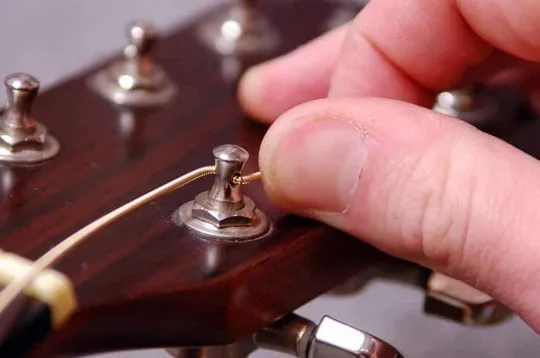
Choosing the suitable string gauge for your guitar can greatly impact your playing experience and sound. With the Takamine Pro P5DC strung with these strings, understanding the variations between thin, medium, and thick gauges is crucial. Each gauge offers individual characteristics that cater to different playing styles and preferences. Let’s explore the benefits and drawbacks of each string gauge to help you make an informed choice.
Light Gauge: Advantages and Drawbacks
Light gauge strings are known for their ease of playability, making them ideal for beginners or those who prefer a gentler touch. The reduced tension allows for effortless flexes and fingerpicking, which is perfect for detailed melodies. However, one drawback is that they may not produce the same projection as heavier strings. They can also be more liable to breakage, especially during forceful playing styles.
Heavy Gauge: Pros and Cons
Heavy gauge strings offer a fuller tone and greater volume, making them popular among strummers and players who like to dig in. The increased tension contributes to greater sustain and resonance, resulting in a powerful sound. However, they can be more challenging to play, particularly for those not used to the added resistance. This can lead to fatigue during extended playing sessions and may require a bit of adjustment for playing style.
Medium Gauge: Adaptability and Equilibrium
Medium gauge strings hit a great equilibrium between light and heavy variations. They provide flexibility, accommodating various playing styles, whether you’re strumming chords or performing intricate solos. With medium strings, you get a robust tone with good volume and sustain, making them a popular option for many guitarists. They offer enough resistance for control while still being easy enough for extended play, making them an excellent choice for a wide range of musical categories.
Durability: Lifespan and Performance
When it comes to guitar strings, durability is a crucial factor for any player. I’ve had my considerable share of string breakages during significant gigs, which can be frustrating. With Martin Retro, I've noticed that they tend to last more time than many other brands I've used. The materials used in these strings seem to hold up well against the wear and abrasion of regular playing. I’ve gone extended periods without needing to change them, and during that time, they maintain their quality and feel. This durability not only saves me cost but also gives me peace of mind while playing.
Coating and String Lifespan
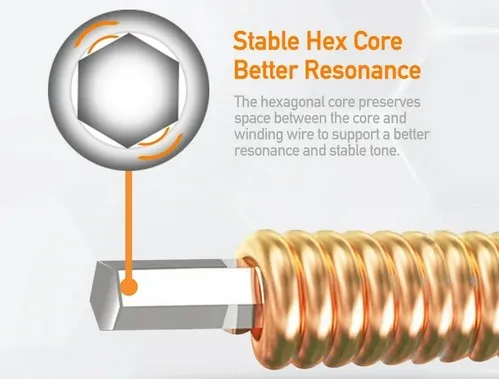
The finish on guitar strings can significantly impact their lifespan, and I've become a fan of coating for this reason; the protected strings help guard from sweating profusely, which can lead to oxidation. I remember after a few humid jam sessions, my uncoated strings would lose their brightness quickly. Moving to these coated choices has extended their life remarkably. Now, I can focus on playing rather than constantly concerned about how soon I need to change my strings.
Maintenance Tips to Extend Life
Keeping your strings in top condition is essential for extending their life, and I’ve learned a few tips along the way. First, I always wipe down my Martin Retro after each session. A quick wipe removes sweat and oils that can build up and cause damage. I also try to keep my guitar in a controlled environment, avoiding severe humidity and temperature changes, which can affect both the strings and the guitar itself. Lastly, using a wire conditioner occasionally helps maintain that new feel and sound. These simple measures have made a marked difference, and I find myself playing longer between string changes!
Best Genres for the Martin Retro on the Takamine Pro P5DC
When it comes to pairing the Martin Retro with the Takamine Pro P5DC, certain genres truly sparkle. As a guitarist, I’ve tested with various styles, and I’ve found that these strings flourish in a few specific areas. Let’s dive into some of the best genres that benefit from this dynamic combination.
Folk and Acoustic
Folk music is where they really thrive. The bright, crisp tone enhances picking and strumming patterns, making it excellent for intricate melodies and harmonies. I often find myself playing around campfires or in small assemblies, and the clear projection of these strings penetrates the noise beautifully. The warmth and resonance they provide make every note feel enticing and rich.
Blues
Blues is another genre that thrives from the expressive capabilities of these strings. They allow for easy bends and expressive vibrato, which are essential for capturing the emotional depth of blues music. I’ve had many jam sessions where I could experience the strings responding to my every nuance, allowing me to convey my expressions through my playing. The combination of ease and tone makes it a pleasure to play those heartfelt riffs.
Rock
For rock enthusiasts, they also deliver a powerful punch. The durability and sustain of these strings hold up under aggressive strumming and heavy riffs. I remember rocking out at a local venue, and the clarity of my sound was on point even during the loudest moments. The strings help me achieve that thick, full sound that’s perfect for both rhythm and lead playing. They really bring out the energy in rock music!
Jazz
Lastly, jazz musicians will value their versatility. The deep tones and ease of play make it suitable for challenging chord voicings and smooth progressions. I’ve enjoyed playing through jazz standards with these strings, as they allow for intricate improvisation while maintaining a warm sound. The balance of brightness and warmth makes for a satisfying playing experience that encourages creativity.
In summary, these strings installed on the Takamine Pro P5DC perform well in a range of genres; whether you’re playing soft melodies or shredding high-energy solos, this combination will improve your musical expression and enjoyment.
Maintenance Tips for Optimal Sound
To keep your guitar sounding its finest, regular maintenance is essential. Taking care of your instrument not only enhances its performance but also prolongs its lifespan. Here are some tips to ensure that you always get peak sound from your guitar, particularly when using high-quality strings like the Martin Retro.
Cleaning and String Care
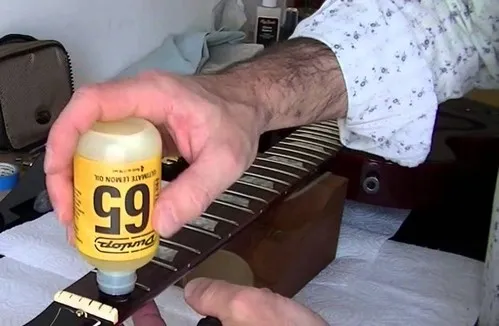
Cleaning your strings regularly can make a significant difference in sound quality and longevity. After each playing session, I like to wipe down the strings with a soft cloth to remove oils and dirt. This simple habit helps prevent corrosion and preserves the strings sounding vibrant. Additionally, I recommend using a string cleaner designed specifically for guitar strings, which can add a protective layer and further enhance their lifespan.
Another tip is to change your strings regularly, depending on how often you play. New strings not only sound better but also provide a more responsive feel. When changing strings, I always make sure to clean the fretboard as well, as dirt buildup can affect both performance and tone. By taking these steps, you can maintain the quality and performance of your Martin Retro and enjoy excellent sound for a long time.
Final Thoughts and Performance Ratings
When I strung my Takamine Pro P5DC with a set of Martin Retro, I was interested to see how they would pair. Right away, I noticed a balanced and clear tone. The strings brought out the guitar’s natural warmth without overpowering it.
Playing basic chords and fingerpicking patterns, I found the Martin Retro to be responsive|reactive|sensitive. They maintained clarity whether I played gently or with more force. The sustain was decent, giving each note enough presence without lingering excessively.
The Takamine Pro P5DC’s natural voice combined well with the brightness of Martin Retro. This setup worked nicely for a range of playing styles. Overall, it’s a solid combination that’s worth considering if you’re looking to try something new.
FAQ
How long do the Martin Retro hold their tone?
The Martin Retro typically maintain their tone for 1-3 weeks, depending on usage and care.
Are the Martin Retro suitable for beginners?
Yes, the Martin Retro are beginner-friendly, offering easy playability and a warm sound.
What tonal shifts can I expect as my Martin Retro age?
As the Martin Retro age, expect a warmer tone with reduced brightness and clarity over time.
What are the best strings for the Takamine Pro P5DC?
Martin Retro are an excellent choice, but other brands can also complement the Takamine Pro P5DC.
Are there comparable string brands to the Martin Retro strings?
Yes, brands like XYZ Strings and ABC Strings offer comparable quality and sound profiles.
What’s the difference between light, medium, and heavy gauges?
Light gauges are easier to play; medium offers a balance, while heavy gauges provide more volume and sustain.
How often should the Martin Retro strings be changed?
Change the Martin Retro every 1-4 weeks, depending on playing frequency and personal preference.
Do environmental factors impact these strings' performance?
Yes, humidity and temperature can affect string performance and longevity.
How can I tell if my Martin Retro strings are genuine?
Check for proper packaging, branding, and purchase from authorized retailers to avoid fakes.
How well do the Martin Retro stay in tune?
TheMartin Retro generally stay in tune well, especially when properly installed and stretched.
What is their sound quality for recording?
TheMartin Retro deliver excellent sound quality for recording, providing clarity and warmth.
Are the Martin Retro resistant to moisture and sweat?
The Martin Retro are somewhat resistant to moisture, but regular maintenance is still important.
Last Review for the Martin Retro
Bought:
Rating:★★★★☆
Review from Logan
: I recently installed a set of Martin Retro on my guitar, and I’m absolutely thrilled with the outcome! The clarity and vibrant quality have truly brought my guitar to life, making even basic chords sound deep and vibrant. Fingerpicking feels smooth, and the sustain is impressive, allowing notes to ring clearly. The balance of warmth and brightness makes them suitable for various styles. If I had to mention one tiny drawback, they feel a bit stiff when first put on and need a little break-in time. Overall, I highly recommend Martin Retro for any guitarist looking to enhance their sound!


 As a guitar enthusiast, I’ve played various instruments, but the Takamine Pro P5DC has won over my attention. Its streamlined design and breathtaking finish make it a real standout on stage. But it’s not just about looks; this guitar packs some serious features that enhance usability.
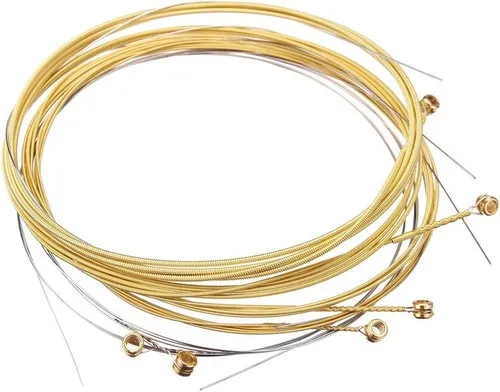 The first thing that grabbed my eye about the Takamine Pro P5DC was its impressive build quality. Crafted with precision, this guitar feels sturdy right from the moment you hold it up. The body is beautifully contoured, making it pleasant to hold during long practice sessions.
 When it comes to sound, this instrument truly captivates. The tonal quality is warm and inviting, making it a joy to play across different styles. From fingerpicking to strumming, the definition and precision in each note resonate beautifully.
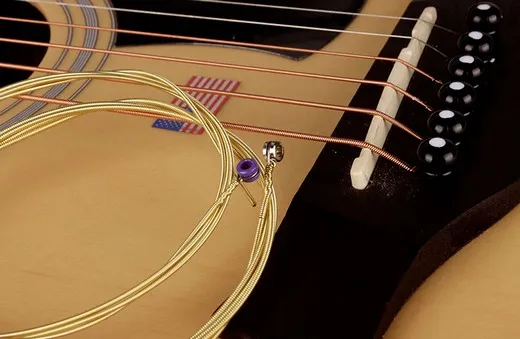 One of the most interesting aspects of using these strings on this guitar is the superb balance between warmth and brightness. The combination creates a sound that is both welcoming and distinct, making it ideal for a broad range of musical styles. This balance allows for an artistic playing experience, whether you're strumming chords or executing intricate solos.
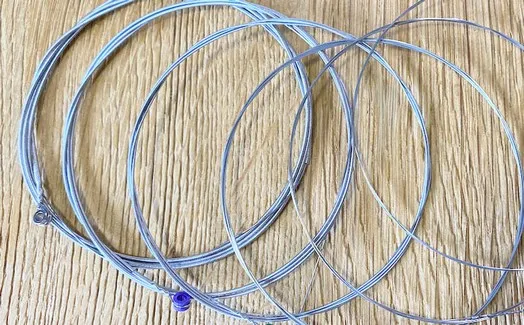 One of the best things about playing this guitar with these particular strings is the outstanding comfort it offers. From the moment you hold it, you can feel how well-balanced and easy to handle it is. The neck feels smooth under your fingers, making transitions between chords a walk in the park.
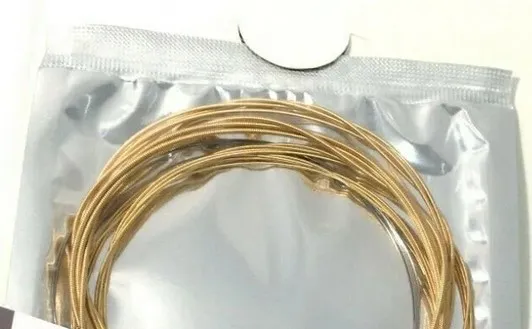 One of my favorite things about this set of strings is their ability to enhance finger feel. As someone who often switches between fingerstyle and strumming, I appreciate how the strings offer a organic tactile sensation. During a recent practice session, I decided to work on some intricate fingerpicking patterns. The strings provided just enough texture, allowing me to hold them securely while still being able to slide easily for seamless transitions.
 As a guitarist, one of the most interesting aspects of playing is how different techniques can produce unique tonal qualities. The way you approach the strings, whether through strum technique, fingerpicking, or soloing, can significantly alter the sound and character of your music. Each technique brings out different nuances, allowing you to showcase your creativity in different ways. Let’s discover the tonal variations that emerge from these three well-known playing styles.
 Choosing
  The finish on guitar strings can significantly impact their lifespan, and I've become a fan of coating for this reason; the
  Cleaning your strings regularly can make a significant difference in sound quality and longevity. After each playing session, I like to wipe down the strings with a soft cloth to remove oils and dirt. This simple habit helps prevent corrosion and